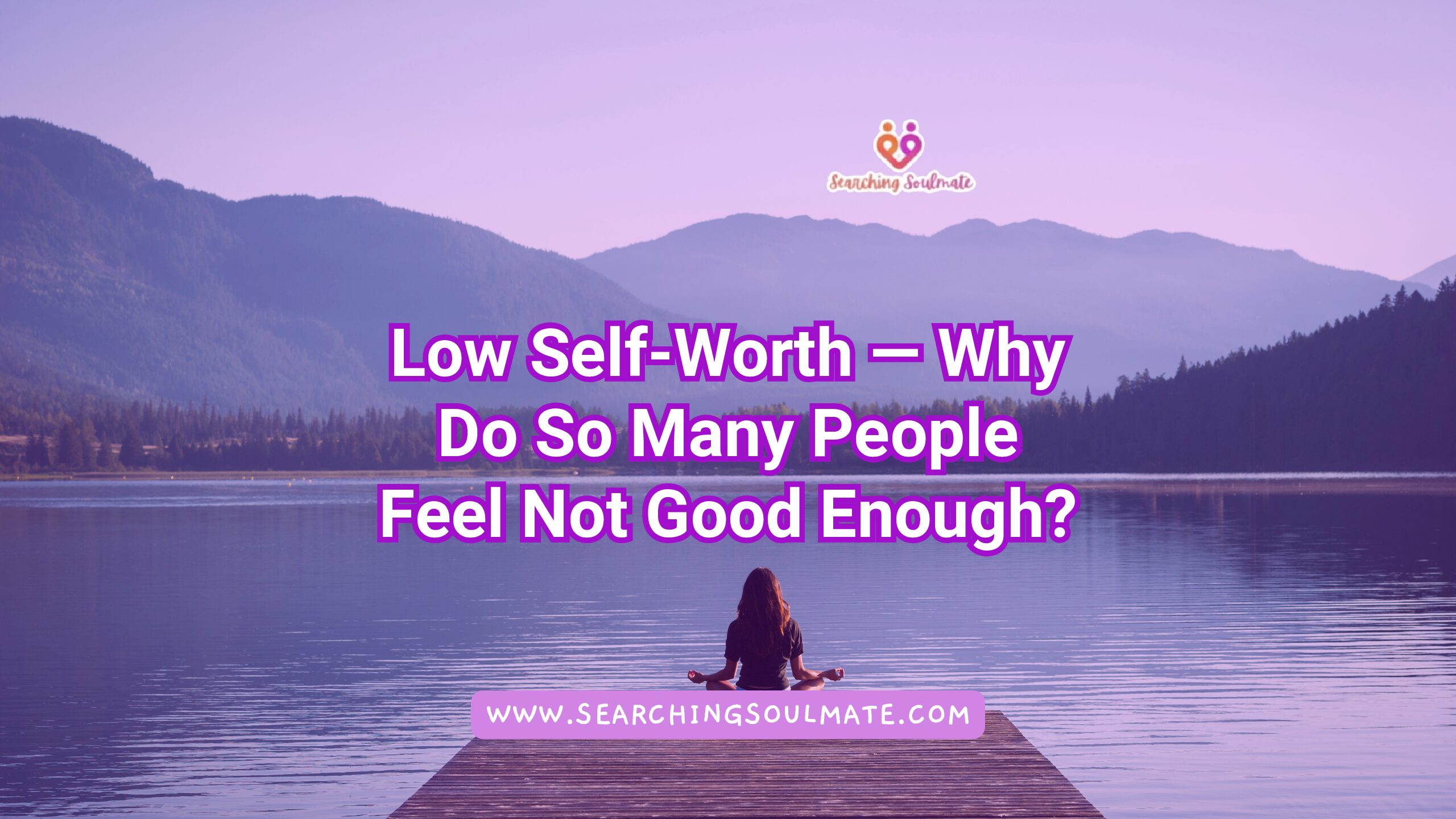
Have you ever struggled with low self-worth, even after doing everything right?
Low self-worth often works quietly in the background of our lives. It shapes the way we see ourselves, the way we seek validation, and even the way we build relationships. Many times, it begins much earlier than we realize — through childhood experiences, emotional conditioning, appearance anxiety, and the constant need to feel accepted.
The strange thing about low self-worth is that it doesn’t always look obvious from the outside. A person can seem confident, successful, social, and emotionally strong — yet still carry a deep fear of not being valued enough. Because this feeling is rarely just about how someone looks or what they achieve. It usually comes from what they learned about themselves while growing up.
Sometimes, it starts in childhood without anyone intentionally meaning harm.
A child who constantly hears comparisons slowly begins to believe they must always “perform” to be appreciated. A child whose emotions are dismissed may grow up believing their feelings are too much. Someone who receives love only when they succeed may unconsciously connect self-worth with achievement.
And slowly, these experiences begin forming emotional patterns.
You start seeking approval before trusting your own choices. You overthink how people perceive you. You become extremely affected by rejection, criticism, or silence. Even small situations begin to feel personal because somewhere deep down, your mind is already expecting disappointment.
That’s the difficult part about low self-worth — it quietly changes the relationship you have with yourself.
The Need for Constant Validation
One of the biggest signs of low self-worth is the constant need for validation.
At first, it feels normal. Everyone likes appreciation. Everyone wants to feel accepted. But over time, validation can slowly become emotional dependence.
You slowly start relying on compliments to feel attractive, replies to feel important, attention to feel valued, and achievements to feel worthy. And when those things are missing, even for a short time, self-doubt quickly takes over. The problem is not that validation feels good — that’s completely human. The problem begins when your entire sense of self starts depending on it.
Because external validation is temporary. No matter how much reassurance people give, it never fully stays if there’s already a deeper belief within you that says, “I’m probably not enough anyway.” That’s why many people keep chasing more — more perfection, more approval, more attention — hoping the feeling will finally disappear. But emotional emptiness cannot be permanently healed through outside confirmation alone.
Appearance Anxiety and Self-Worth
Low self-worth also shows up strongly through appearance anxiety. We live in a world where people are constantly exposed to edited faces, perfect bodies, curated lifestyles, and unrealistic standards. And without even realizing it, many people slowly begin measuring their worth through appearance.
You start noticing every flaw, comparing every picture, questioning your attractiveness, and feeling less confident simply because you don’t look a certain way. Over time, that pressure becomes emotionally exhausting.
Sometimes, people don’t even dislike themselves naturally. They simply learned to see themselves through constant comparison. And after a point, it’s no longer just about beauty anymore. Appearance slowly becomes connected to acceptance, belonging, and feeling worthy of love or attention. That’s why appearance anxiety affects much more than confidence alone. It starts affecting relationships, emotional safety, and the way people express themselves around others.
You may avoid expressing yourself fully because you fear judgment. You may overthink how others see you before simply enjoying a moment. You may even struggle to believe compliments because your inner voice feels louder than other people’s kindness. And slowly, confidence starts becoming conditional — dependent on how you look, how people respond, or whether you feel accepted that day.
The Emotional Exhaustion Nobody Talks About
What makes low self-worth emotionally draining is how constant it feels. You are always trying to improve yourself, protect yourself, or prove yourself in some way. Even moments that should feel peaceful become mentally exhausting because your mind continuously questions whether you are enough.
Sometimes it shows up as perfectionism. Sometimes as people pleasing. Sometimes as emotional withdrawal. And sometimes as pretending to be “fine” while silently struggling within.
The hardest part is that many people become so used to these emotional patterns that they stop recognizing them altogether. It simply becomes their normal.
From Survival to Emotional Resilience
But healing low self-worth does not begin with suddenly becoming confident overnight. It begins with awareness.
Awareness of how harshly you speak to yourself. Awareness of how much of your worth depends on other people’s reactions. Awareness of the emotional patterns you learned while growing up.
Because once you start noticing these patterns, something slowly begins to shift.
You begin understanding that not every insecurity is a fact. Not every rejection defines your value. Not every comparison deserves your attention. And maybe for the first time, you start learning how to separate your identity from constant external approval.
For years, many people live through extrinsic motivation — chasing validation, compliments, achievements, likes, attention, or acceptance to feel worthy. But emotional resilience slowly grows when intrinsic motivation begins to take over. When your sense of worth starts coming from self-awareness, emotional stability, personal growth, and the ability to value yourself even when nobody is applauding you.
That’s where emotional resilience begins — not in becoming perfect or never feeling insecure again, but in learning to stay emotionally grounded even when validation is absent.
Maybe Confidence Was Never About Perfection
Maybe real confidence was never about becoming perfect. Maybe it begins the moment you stop exhausting yourself trying to prove your worth to everyone around you. Because self-worth is not built through constant validation, approval, or comparison. It grows quietly when you start understanding yourself better — when you learn to sit with your thoughts, question your insecurities, and slowly separate your identity from other people’s opinions.
That journey often starts with self-awareness. Learning when to connect, when to disconnect, and understanding which judgments truly deserve your attention — and which ones simply do not. In today’s fast-moving world, community platforms like Searching Soulmate are creating spaces that encourage emotional introspection through workshops & conversations focusing on self-growth, emotional well-being, confidence, communication, and re-emphasising importance of meaningful human connection. Not to teach people how to impress others, but to help them feel more secure within themselves.
Because sometimes healing low self-worth does not begin by changing who you are. Sometimes, it begins when you finally stop feeling the need to constantly prove your value and start accepting that your worth existed long before anyone validated it.
Read more from Searching Soulmate:
- Loneliness in a Relationship — The Silent Crisis We Rarely Admit
- Skincare and Self-Worth — When Beauty Becomes Personal
- Self-Worth and the Partners We Choose
Follow Our Socials: